
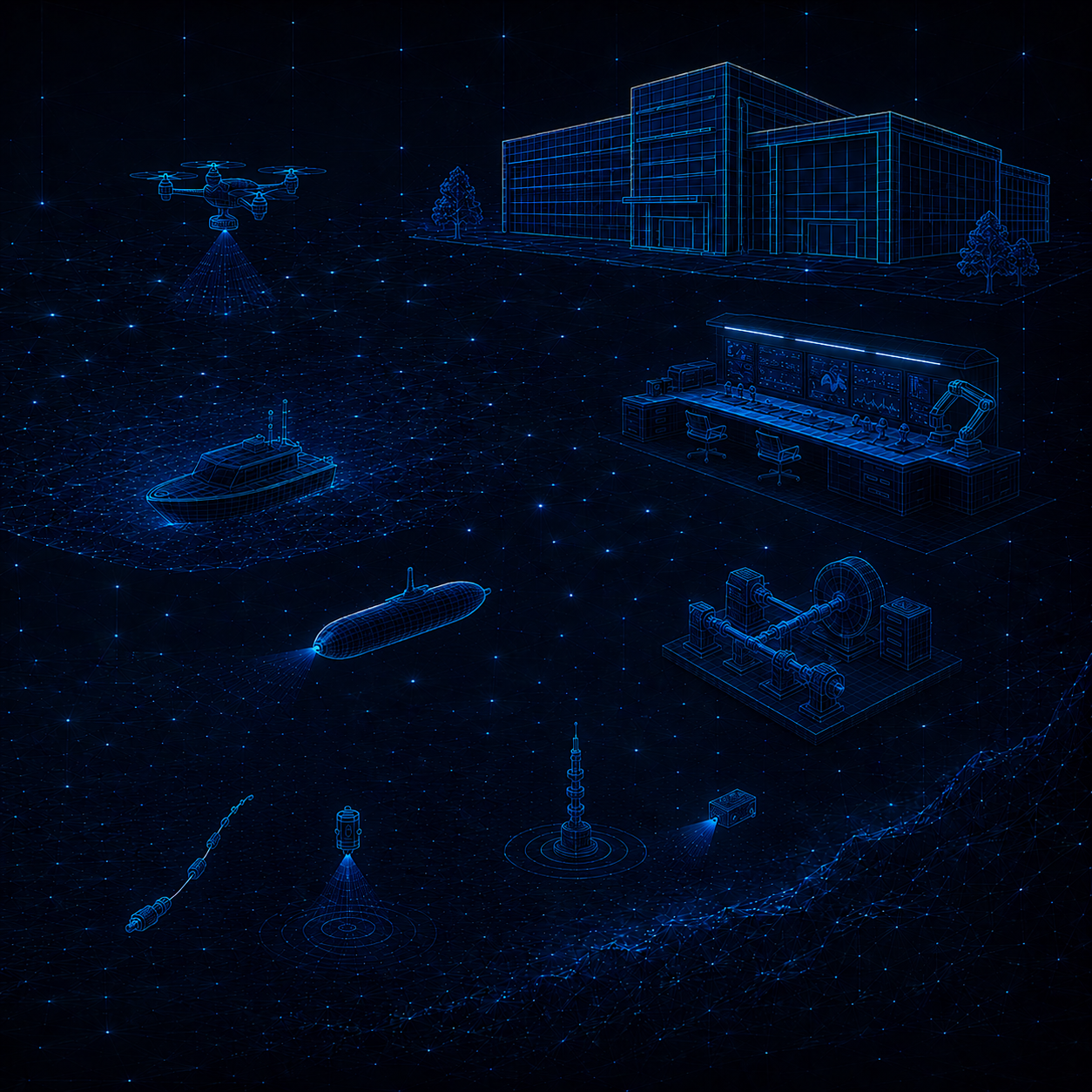
The NATO Investment Committee approved two projects in February and April this year to strengthen STO CMRE’s maritime Science & Technology (S&T) mission. These multi-year modernisation projects, developed under the leadership of Allied Command Transformation (ACT) and supported by the NATO Support and Procurement Agency (NSPA), are essential to sustain and strengthen the Alliance’s technological edge.
One project modernises CMRE’s prototyping and experimentation capabilities—upgrading computing for modelling and simulation, and enabling technologies such as quantum and unmanned test beds—to accelerate maritime innovation. The other project delivers a secure, scalable IT and network backbone, improving data sharing and cybersecurity so CMRE can better store, protect, and exploit large volumes of research data while aligning with NATO’s Enterprise Digital Backbone and interoperability roadmap.
Together, the approvals mark a major milestone in building a durable CMRE–NSPA partnership that combines CMRE’s scientific and experimentation strengths with NSPA’s procurement and lifecycle delivery expertise. This cooperation was recently affirmed by the signing of a formal agreement between NSPA and CMRE on 1 April 2026 by CMRE Director Dr Eric Pouliquen, and NSPA General Manager Ms. Stacy Cummings.
“The ongoing modernisation initiatives support NATO’s effort to outpace strategic competitors and potential adversaries in the maritime domain, as threats and technologies evolve.” – Dr. Eric Pouliquen, CMRE Director
Italy is also leading a complementary project to provide CMRE with a new building within the Italian Navy compound, creating space for modernised laboratories and storage for the new equipment.
In parallel, a separate initiative funded by NATO’s Military Budget was launched a few weeks ago. This will modernise CMRE’s fleet of unmanned systems and innovative sensors; not only addressing equipment obsolescence, but also providing access to new technologies better suited to CMRE’s future S&T needs. The effort will strengthen CMRE’s ability to support the operational community through exercises, experimentation, and rapid technology adoption.
The next modernisation step, still under review, is the replacement of the NATO Research Vessel ALLIANCE. Replacing the 38-year old vessel would help NATO to maintain a persistent presence in the High North, and preserve unique research and experimentation capabilities for the Alliance.